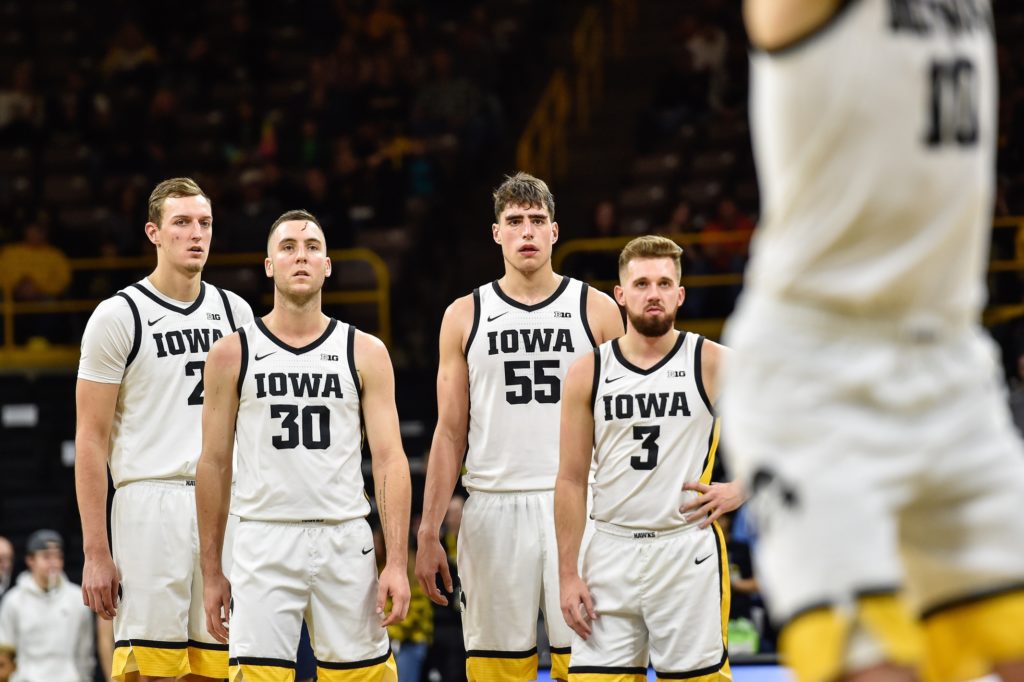
The moment news breaks that a key figure in the Iowa Hawkeyes men’s basketball program may soon depart, the emotional reaction around the team and fan base is immediate. Players, coaches, and supporters often experience a mixture of disappointment, uncertainty, and reflection. Yet inside the locker room, successful teams rely on a skill that athletes develop over years of competition: compartmentalizing.
Compartmentalization allows players to acknowledge the reality of the situation while maintaining focus on the responsibilities directly in front of them. In a college basketball season filled with demanding schedules, scouting reports, and high‑stakes conference matchups, distractions can easily derail preparation. Iowa’s program, like many others in the NCAA landscape, regularly navigates rumors, transfer portal speculation, and evolving roster situations that surround modern college basketball[8]. Learning to mentally separate those external storylines from on‑court performance becomes essential.
For teammates, the focus shifts toward daily routines—practice intensity, defensive assignments, and offensive execution. Coaches emphasize the same message: control what you can control. Programs with strong cultures lean on leadership within the roster to stabilize emotions and maintain accountability during moments of uncertainty. Media coverage and fan discussion may amplify the storylines surrounding departures or roster changes, but inside the program the emphasis remains on preparation and resilience[1].
Ultimately, compartmentalizing does not mean ignoring the significance of someone leaving. Instead, it means acknowledging the moment while refusing to allow it to dictate performance. For the Hawkeyes, the season continues, and the collective mission—competing, improving, and representing Iowa basketball—remains unchanged.